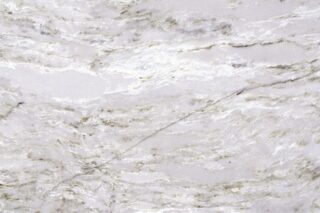
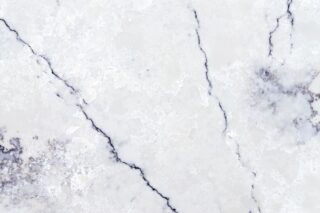
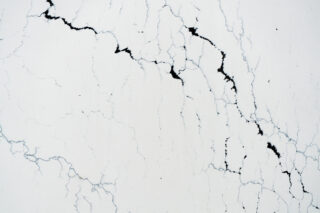
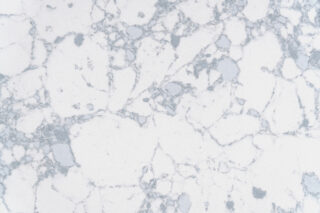
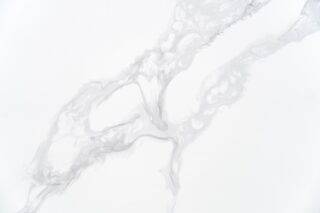
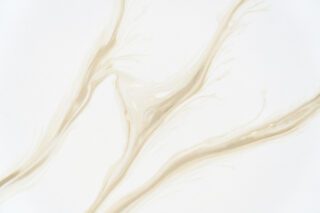
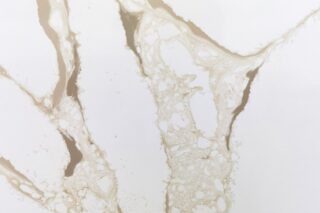
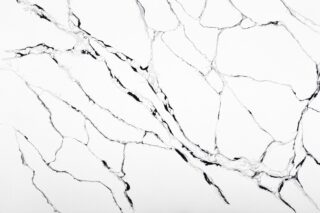
Marble's initial cost is offset by its classic beauty, yet it demands regular upkeep and resealing, incurring repeat expenses. Quartz, offering robust durability and minimal care, emerges as a cost-effective, long-term solution with significantly reduced maintenance needs.
Initial Costs and Installation
Price Range and Factors Influencing Cost
When starting a new task of kitchen or bathroom renovation, installing new countertops of marble or quartz stone seems to be a dire issue to decide on. However, contrary to evident properties, the price range of those materials is influenced dramatically differently and by several similar rather factors.
Whereas the marble is commonly used with various veins and classic-style designs, it is considered to be an expensive and elite material. On the other hand, quartz , being more predictable and stain-resistant, is engineered and, therefore, should have more or less specific range of price. However, the cost fluctuation of each type depends on type of stone, design intricacy and region of installation.
Material
Factors Affecting Price
Marble
Quality, Design Complexity, Geographic Location
Quartz
Consistency, Durability, Supply Availability
Installations Procedures and Professional Requirements
Marbles or quartz countertops installation is a technical exercise that requires special skills. It is done in steps that include measuring, templating, cutting, and sealing. Each procedure, therefore, calls for technical skills that guarantee a perfect finish . Professional installers are able to handle the desired features of each countertop. For example, while marble is a natural stone and requires sealing or as they would be affected by stains, quartz on the other hand is an engineered stone, and is more resilient and does not require pass installation. The procedure also calls for special expertise as, since it requires careful handling that prevents damage, especially when it is being put in place.
Durability and Longevity
Resistance to Damage and Wear
Marble and quartz countertops have unique characteristics that determine their resistance to damage and wear. Marble, being a natural stone, is valued for its porosity and beauty. Although it is more prone to scratches and etches compared with quartz, it is commonly used to add a classic, timeless look to rooms.
Conversely, quartz is an engineered stone created from natural quartz with added resins and pigments. Production processes make it more durable and resilient to daily wear and tear. Due to its non-porous nature, quartz does not need regular sealing to remain intact. It is perfect for frequent use and is virtually maintenance-free.
Lifespan and Warranty Comparisons
When choosing a countersurface, the lifespan is another important characteristic to consider. Marble is available for generations, but it requires more maintenance and sealer application. The stone is porous and is easily stained, and it should be cleaned immediately. Concerning quartz, it is less prone to staining and has a higher heat resistance, which facilitates the cleaning process. It also has a longer lifespan and normally comes with a warranty for 15-25 years.
Quartz is absolutely non-porous, and it is more resistant to staining. It is also impervious to common household items such as lemon juice, oil, and wine. Therefore, quartz is a perfect material for kitchen use. However, marble is also an effective material that has natural beauty that can be easily enhanced with proper maintenance. In addition, marble has higher heat resistance, which makes it an ideal surface for hot pots and pans; however, it is crucial to use mats or trivets to avoid discoloration.
Environmental Impact and Sustainability
Factors Contributing to the Eco-Friendliness
In respect of eco-friendliness, both marble and quartz have specific factors that contribute to their impact on the environment. Marble is a natural stone, and its processing involves no chemicals and synthetic raw materials that might degrade the environment. Moreover, the use of such a material helps recycle other materials. Besides, the LEED certificate is the relationship of marble to sustainability. It is the globally accepted symbol of sustainability achievement, indicating that the use of marble can help receive the LEED certificate.
Quartz is an engineered material. It is produced out of 93%-95% pure quartz and binding resin . It becomes clear that the process of producing a quartz countertop involves chemicals and is not environmentally friendly. However, producers of the engineering material try to make their products environmentally friendly, as it makes their material of a higher quality and assures safer manufacturing for employees. Moreover, some quartz countertops have the Greenguard Gold certification.
Material Source and the Process of Material Production
Both marble and quartz are extracted from the Earth. If the marble quarry is not well-managed and the extraction causes considerable environmental damage, such material usage is not sustainable. Quartz, in contrast, is manufactured in facilities, which is typical of any engineered material. It is worth noting that the manufacturing of quartz demands more energy use compared to marble as the binding resins and pigments are involved in the production. At the same time, the use of recycled materials at some manufacturers and waste generation reduction in the production process are positive factors.
The ongoing care and maintenance of your countertops is an important consideration when determining their long-term value. Marble requires a gentle, pH-neutral cleaner as it can be damaged by acidic or abrasive care products that also helps the stone maintain its natural luster . Marble also has to be resealed, on average every 6-12 months, to prevent the surface from staining and etching . The cost of such care products and professional sealing services has to be included in overall operating expenses and therefore is a part of the costs of owning marble countertops.
Quartz does not require resealing, while its non-porous nature allows to clean it with mild dish soap and water . The fact substantially reduces the expense of maintaining quartz countertops over time. However, to reduce the chance of potential damage to the surface, it is still recommended to not leave acidic substances on it for extended periods of time.
Durability
Durability also affects the perceived long-term value of the countertop. While marble countertops are beautiful and unique, they are more liable to daily wear and tear, which means their aesthetic quality and therefore perceived value can decrease over time if the surface is not properly maintained. On the other hand, the high resistance of quartz to scratches and staining as well as its imperviousness to heat make the material a great long-term investment . Although both materials remain great aesthetically in the long term, the low maintenance requirements of quartz mean it stays in better condition with less effort on the part of the owner.
PANMIN is an innovative manufacturer of artificial quartz slabs. PANMINQUARTZ® is man-made quartz surfaces from PANMIN, which can be applied in residential and commercial interior decoration including kitchen countertops, bathroom vanities and office table.
Currently, we have three factories, two in China and one in Cambodia to provide sufficient services to our customers.
For more information about PANMIN, please refer to our contact page and we should get back to you ASAP.
As 2025 comes to a close, PANMIN concluded its exhibition journey at IndoBuildTech Expo 2025, marking both our debut in Indonesia and the grand finale of this year’s global showcase. This debut represents an important step toward connecting PANMIN’s craftsmanship and modern design with Southeast Asia’s growing appreciation for natural-inspired, sustainable materials. Embracing Indonesia’s Design […]
At the 138th Canton Fair, PANMIN showcased the perfect blend of cutting-edge technology and timeless craftsmanship, presenting an extensive range of materials designed to meet the evolving demands of modern interiors. From quartz and silica free surfaces to granite and porcelain surfaces, PANMIN demonstrated how innovation, aesthetics, and functionality come together to create spaces that […]
We are pleased to invite you to IndoBuildTech 2025, taking place November 6–9, 2025 at ICE BSD City, Indonesia. As one of the most influential architecture and design events in Indonesia and Southeast Asia, the show brings together global experts, designers, and leading brands to explore cutting-edge materials and sustainable solutions. PANMIN will present a […]
As autumn arrives with golden hues and festive joy, the National Day and Mid-Autumn Festival are just around the corner. On this special occasion, PANMIN extends our warmest greetings to you and your family. Holiday Schedule To allow our team to celebrate and spend time with loved ones, PANMIN will be closed from October 1st […]
We are delighted to invite you to visit PANMIN at the 138th Canton Fair, taking place from October 23–27, 2025, at the China Import and Export Fair Complex, Guangzhou, China. You will find us in Area B, Hall 13.2, Booth H27–28. Crystalline Silica Free Surfaces: Safer and Sustainable At the Canton Fair, PANMIN will present […]
Marmomac 2025: A Reference Point for the Natural Stone Industry Highlighting Materials, Technology, and Culture This year’s Marmomac focuses on three interconnected pillars—materials, technology, and culture. These elements frame natural stone not only as a resource for building, but as a dynamic medium that connects traditional artistry with modern design practices. Marmomac 2025 sets out […]
We use cookies to ensure that we give you the best experience on our website. If you continue to use this site we will assume that you are happy with it.